Principle 8 Hero

Principle 8

Businesses Should Promote Inclusive Growth And Equitable Development
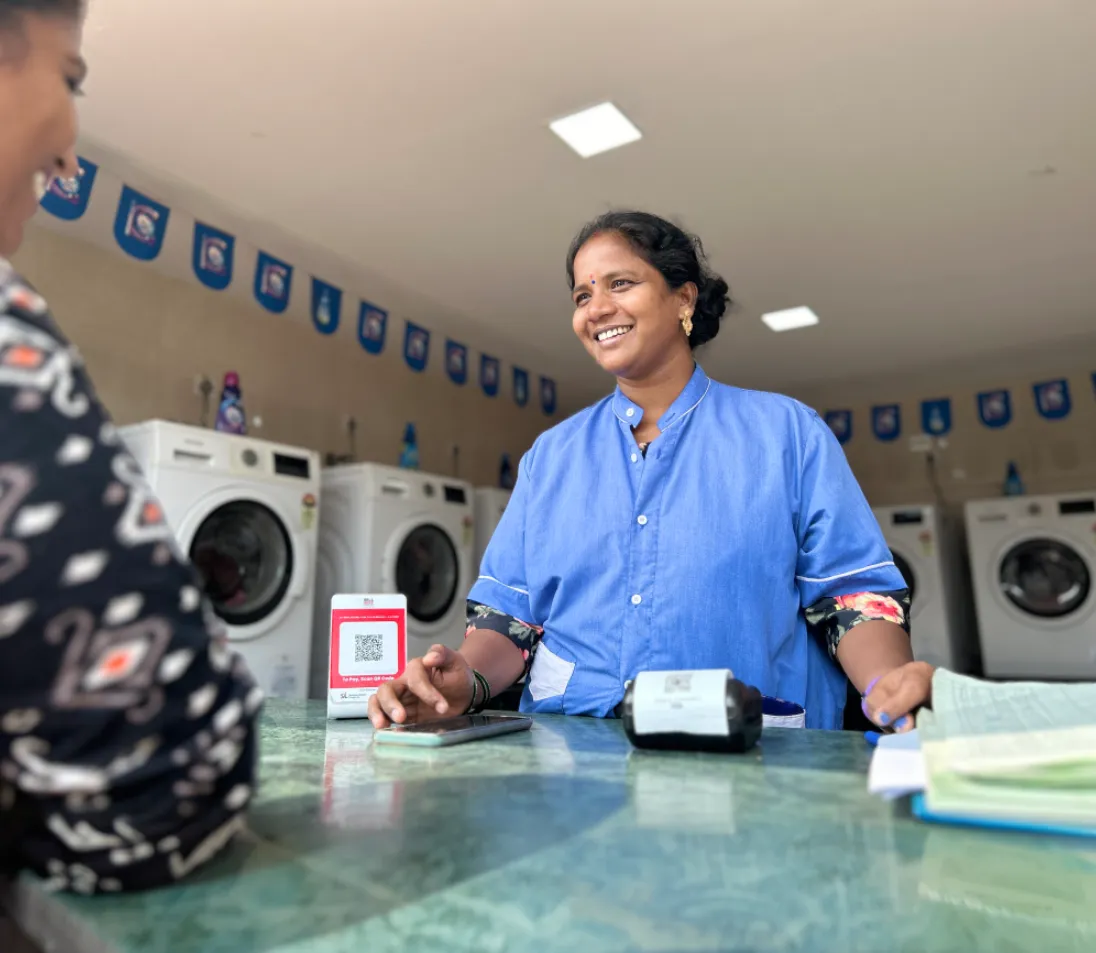
We believe in crafting a culture of inclusion, where every voice is cherished and heard. We begin by building a strong foundation that fosters awareness, understanding, and respect for individual differences.

We also foster an inclusive workplace that values diversity and ensures equitable access to opportunities. By aligning our efforts with broader societal priorities—such as reducing inequality and preparing people for the future of work—we drive meaningful impact at scale. Through these integrated actions, we contribute to building resilient communities and supporting long-term, inclusive economic growth.

Message from
Our Leadership

Quote

We are dedicated to building inclusive ecosystems that reflect the diversity of the communities we serve. By embedding equity into our social impact efforts and encouraging broader participation, we aim to foster an equitable and inclusive workforce while creating sustainable opportunities and closing developmental gaps. Our approach is designed to deliver lasting positive change, strengthen community resilience and advance a more inclusive and empowered society.


Quote
Harman DhillonExecutive Director, Beauty & Wellbeing
Harman Dhillon
of all goods, services and capex sourced from MSMEs
0.0%
of all goods, services and capex sourced from MSMEs
of all goods, services and capex sourced from within India
0.0%
of all goods, services and capex sourced from within India
Projects undertaken requiring Rehabilitation and Resettlement
Nil
Projects undertaken requiring Rehabilitation and Resettlement
CSR Spends in Aspirational Districts.
₹0.0crores
CSR Spends in Aspirational Districts.

Essential Indicators

EI-1. Details of Social Impact Assessments (SIA) of projects undertaken by the entity based on applicable laws, in the current financial year.
EI-2. Provide information on project(s) for which ongoing Rehabilitation and Resettlement (R&R) is being undertaken by your entity, in the following format:
EI-3. Describe the mechanisms to receive and redress grievances of the community.
EI-4. Percentage of input material (inputs to total inputs by value) sourced from suppliers:
EI-5. Job creation in smaller towns – Disclose wages paid to persons employed (including employees or workers employed on a permanent or non-permanent/on contract basis) in the following locations, as % of total wage cost.

Leadership Indicators

LI-1. Provide details of actions taken to mitigate any negative social impacts identified in the Social Impact Assessments (Reference: Question 1 of Essential Indicators above)
LI-2. Provide the following information on CSR projects undertaken by your entity in designated aspirational districts as identified by government bodies:
LI-3. a. Do you have a preferential procurement policy where you give preference to purchase from suppliers comprising marginalised/vulnerable groups (yes/no)?
LI-3. b. From which marginalised/vulnerable groups do you procure?
LI-3. c. What percentage of total procurement (by value) does it constitute?
LI-4. Details of the benefits derived and shared from the intellectual properties owned or acquired by your entity (in the current financial year), based on traditional knowledge:
LI-5. Details of corrective actions taken or underway, based on any adverse order in intellectual property related disputes wherein usage of traditional knowledge is involved.
LI-6. Details of beneficiaries of CSR Projects